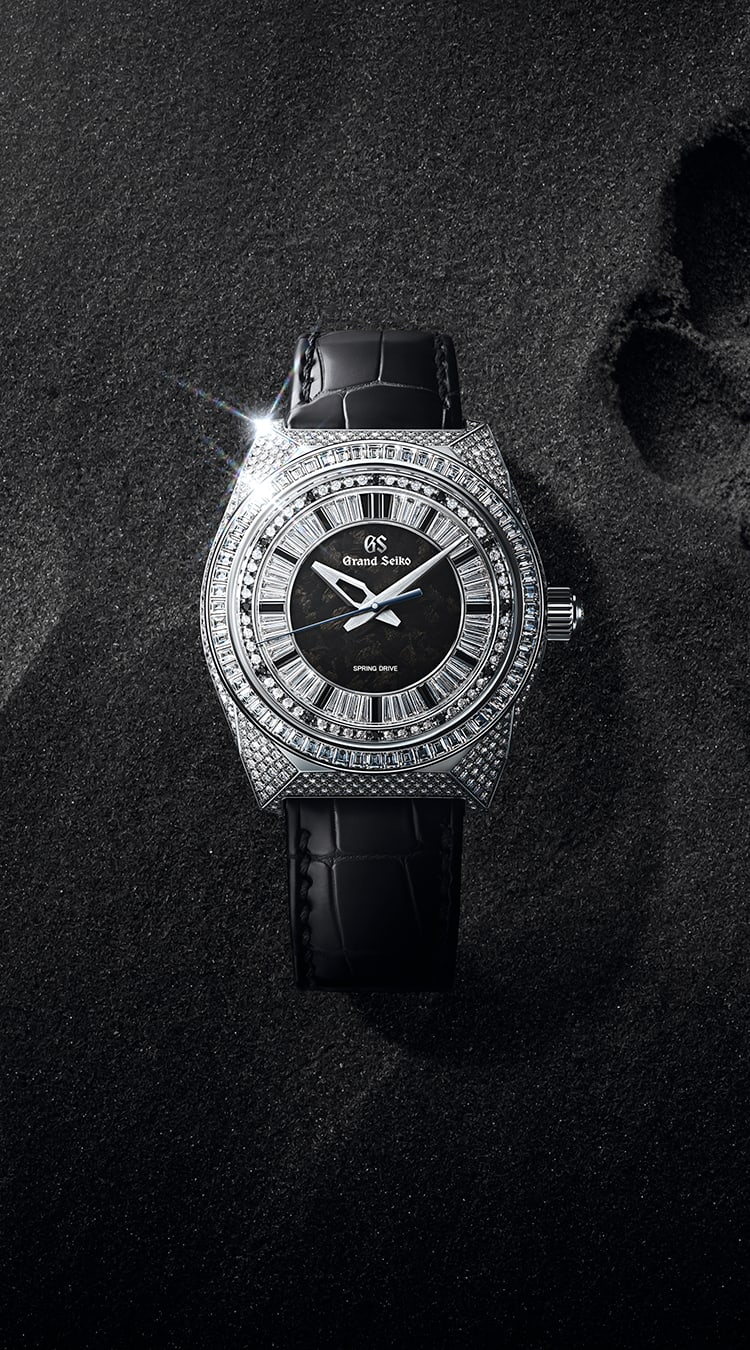
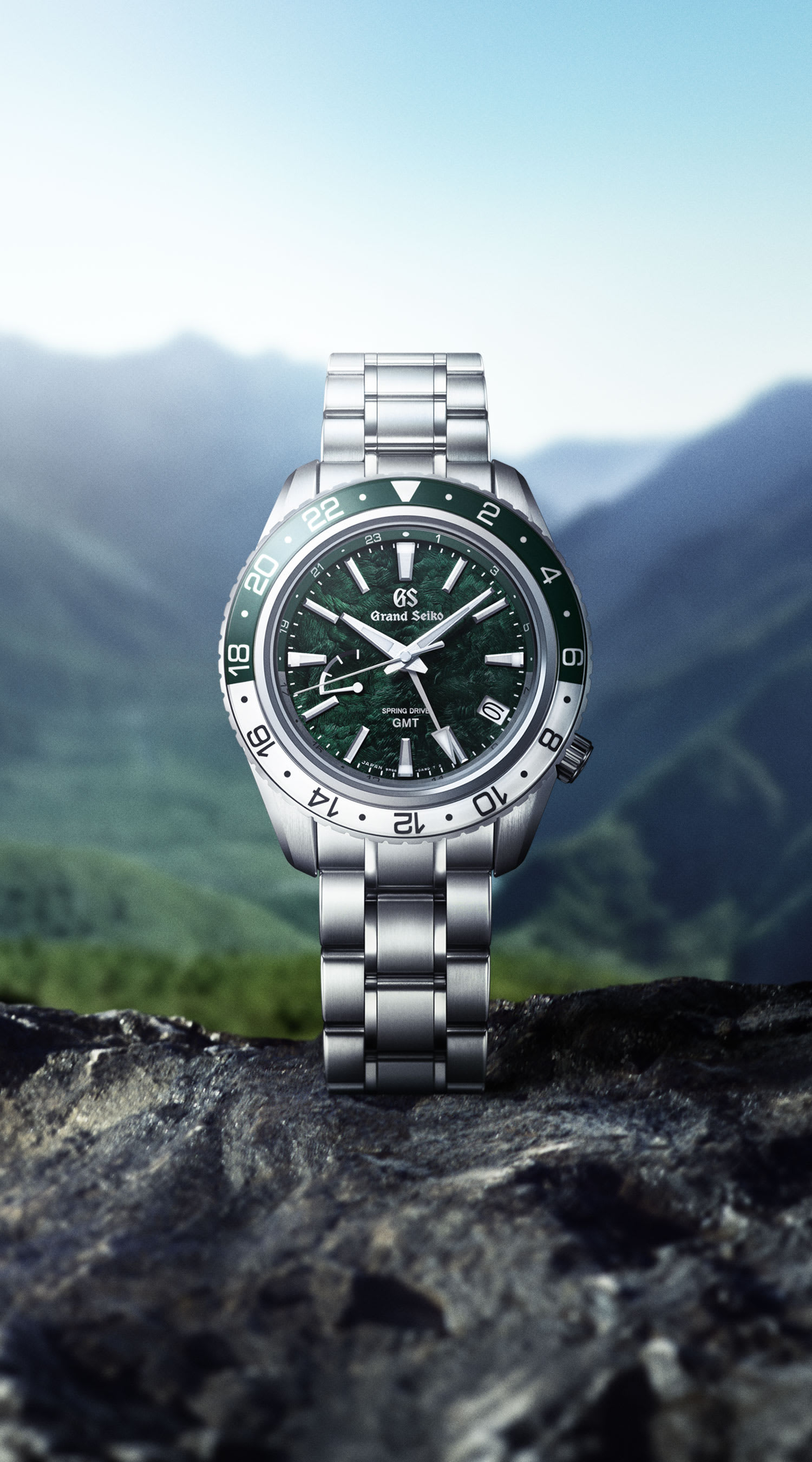
The Japanese pursuit of absolute perfection in every second, where age-old craftsmanship meets the most cutting-edge innovation.
Country
Japan
Founded
1960
Founder
Seiko Corporation
Grand Seiko
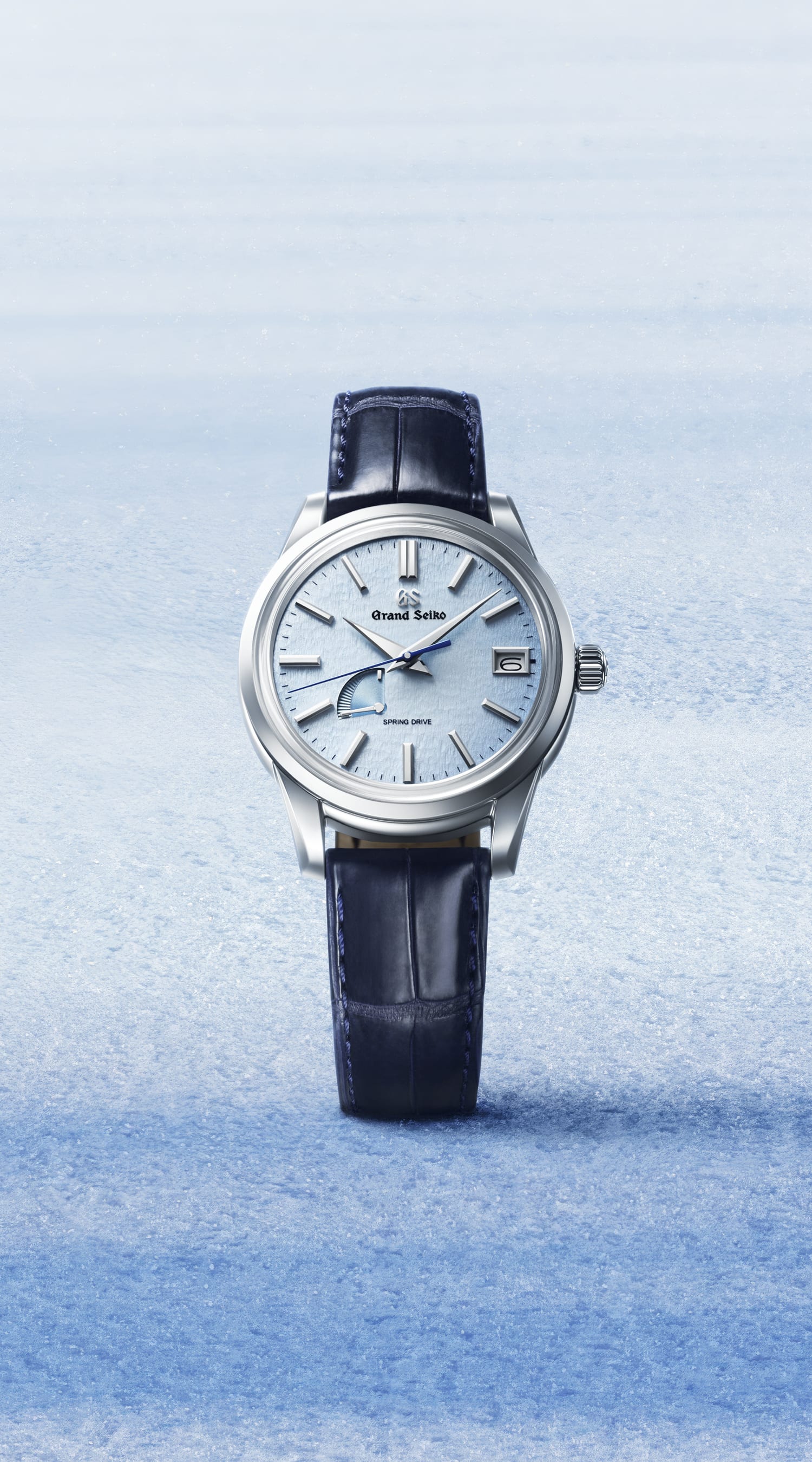
In 1960, Grand Seiko was born with an unprecedented goal: to create the most accurate watch in the world, surpassing the Swiss brands on their own ground. From the mountains of Nagano, Seiko's master watchmakers elevated the art of timekeeping to extraordinary heights, blending Zen philosophy with the most advanced technology. Each watch is a masterpiece that reflects the Japanese seasons, the snow-covered landscapes of Mount Iwate and the relentless pursuit of perfection in every detail.
1960s
1960s
1960
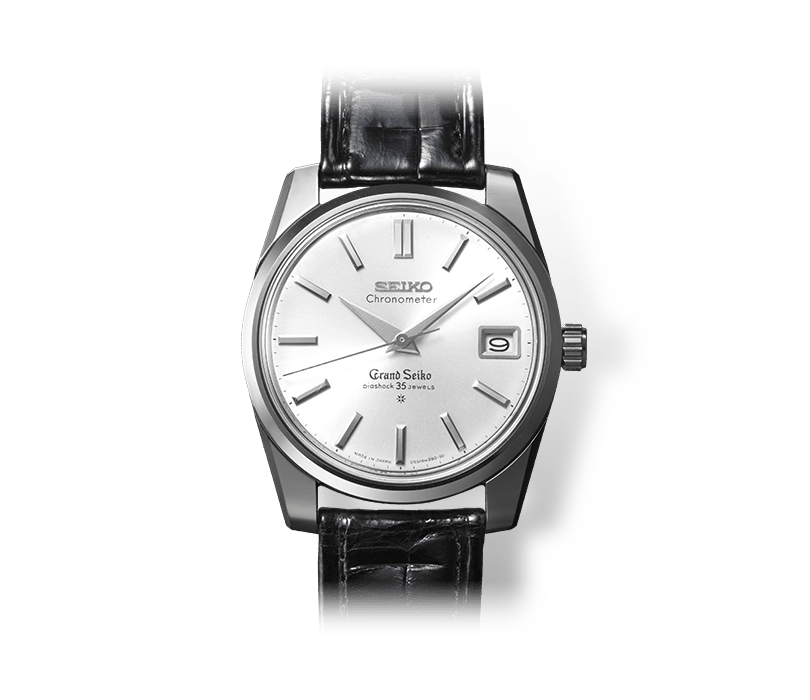
The birth of the first Grand Seiko
The first Grand Seiko is launched with the Calibre 3180, establishing a rigorous in-house certification process equivalent to the highest grade of the chronometer standard of the day. This pioneering movement featured a large regulating balance and advanced fine-adjustment mechanisms.
The beginning of Japanese excellence in fine watchmaking
1964
Grand Seiko Self-Dater
The second generation of Grand Seiko is introduced, with a calendar function and 50 metres of water resistance. This evolution marked a milestone in the practicality and functionality of Japanese luxury watches.
1966
Establishment of the Grand Seiko Standard
Grand Seiko sets its own accuracy standards, surpassing international chronometer regulations. The initial standard was set at +6 to -3 seconds, demonstrating the brand's commitment to technical excellence.
Surpassing the Swiss standards
1967
Launch of the 44GS and the birth of the Grand Seiko Style
The 44GS, the first Grand Seiko model made by Daini Seikosha, introduces the Grand Seiko Style design language. This hand-wound watch with a 5-beat movement established the aesthetic principles that endure to this day.
The iconic design that defines the brand
1967
62GS: the first automatic Grand Seiko
The 62GS is unveiled, the first Grand Seiko with an automatic movement. Its bezel-less design and the introduction of Zaratsu polishing created a distinctive aesthetic, with the crown discreetly positioned at 4 o'clock.
1968
Success at the Observatory Chronometer Competitions
In 1967, Daini Seikosha took 2nd place and Suwa Seikosha 3rd at the Neuchâtel Observatory Competition. In 1968, at the Geneva Observatory Competition, Suwa Seikosha achieved the highest ranking for a mechanical wristwatch movement.
Competing with the Swiss elite
1968
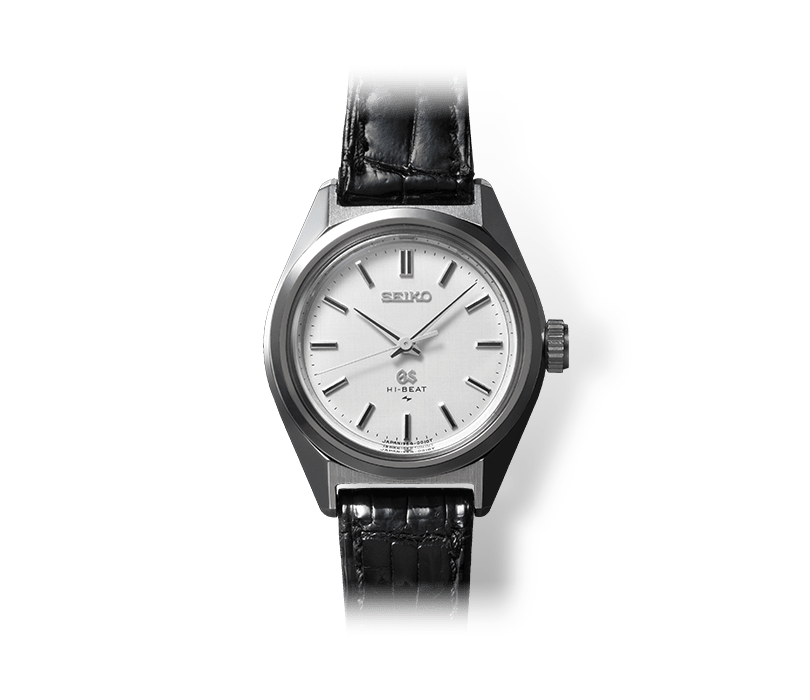
61GS: the first Japanese 10-beat automatic
The 61GS revolutionises Japanese watchmaking as the country's first 10-beat automatic model. This high-frequency movement significantly improved isochronism, achieving greater stability and accuracy, and incorporated the ingenious Magic Lever mechanism.
Japanese technical innovation
1969
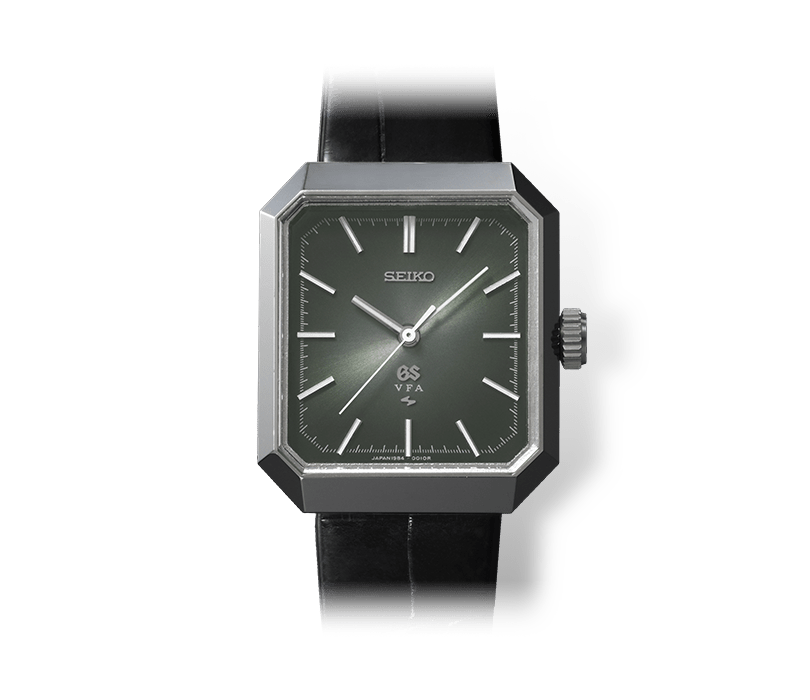
61GS V.F.A.: the pursuit of absolute perfection
The 61GS V.F.A. (Very Fine Adjusted) is launched, an ultra-high-precision model achieving a rate of ±one minute per month. This exceptional feat for a mechanical watch demonstrated Grand Seiko's superior technical capabilities.
Subscribe and receive your code with access to launches and exclusive offers.
No spam · Unsubscribe whenever you likeWWM
Welcome!
Your discount code is on its way.
Check your inbox.
–10%
First purchase
Work with us
Join the World Watch Museum team
Application received!
Thank you for your interest. We have received your CV and will review it carefully. If your profile matches one of our boutiques, we will get in touch with you.